

Collectivisation of small and marginal farmers to form their organisations as Farmer Producer Organisations has been recognised as the most effective and appropriate institutional mechanism to reduce cost of production, increase productivity and facilitate better market linkages so as to enhance their net income.
Realising the significance of FPOs, the Government of India has brought a dedicated Central Sector Scheme “Formation and Promotion of 10,000 Farmer Producer Organisations (FPOs)”.
NDDB has received approval for formation and promotion of total 126 FPOs:
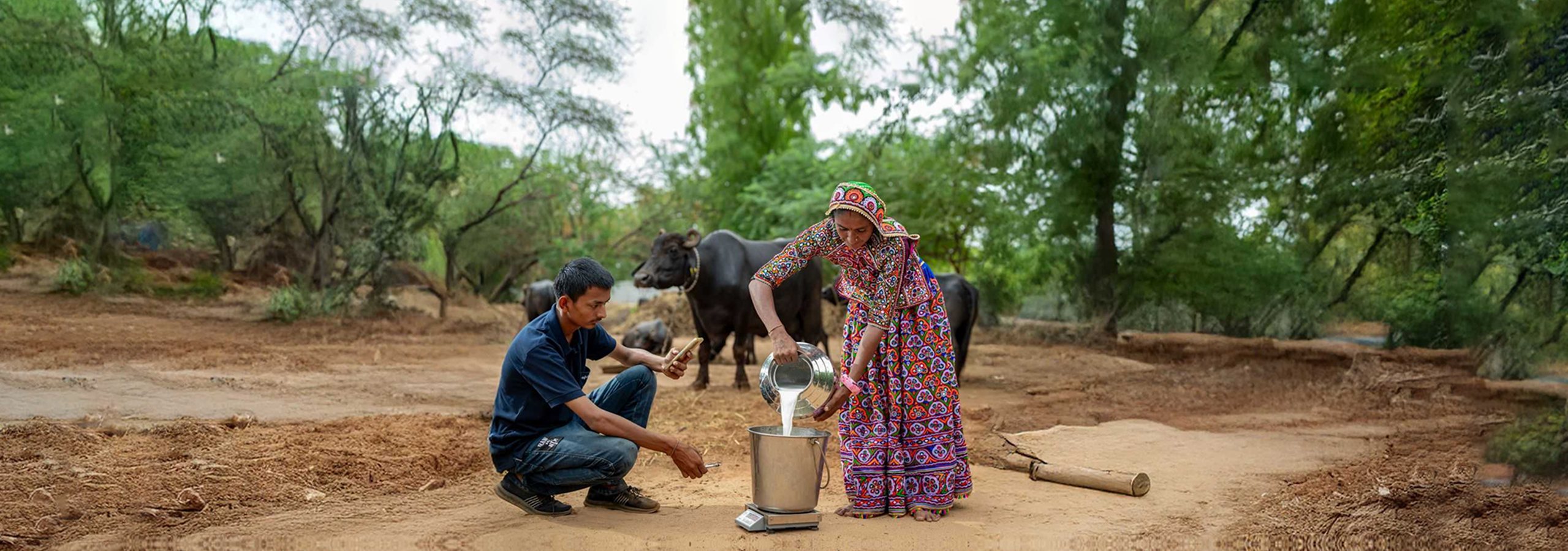
- 100 Fodder Plus FPOs
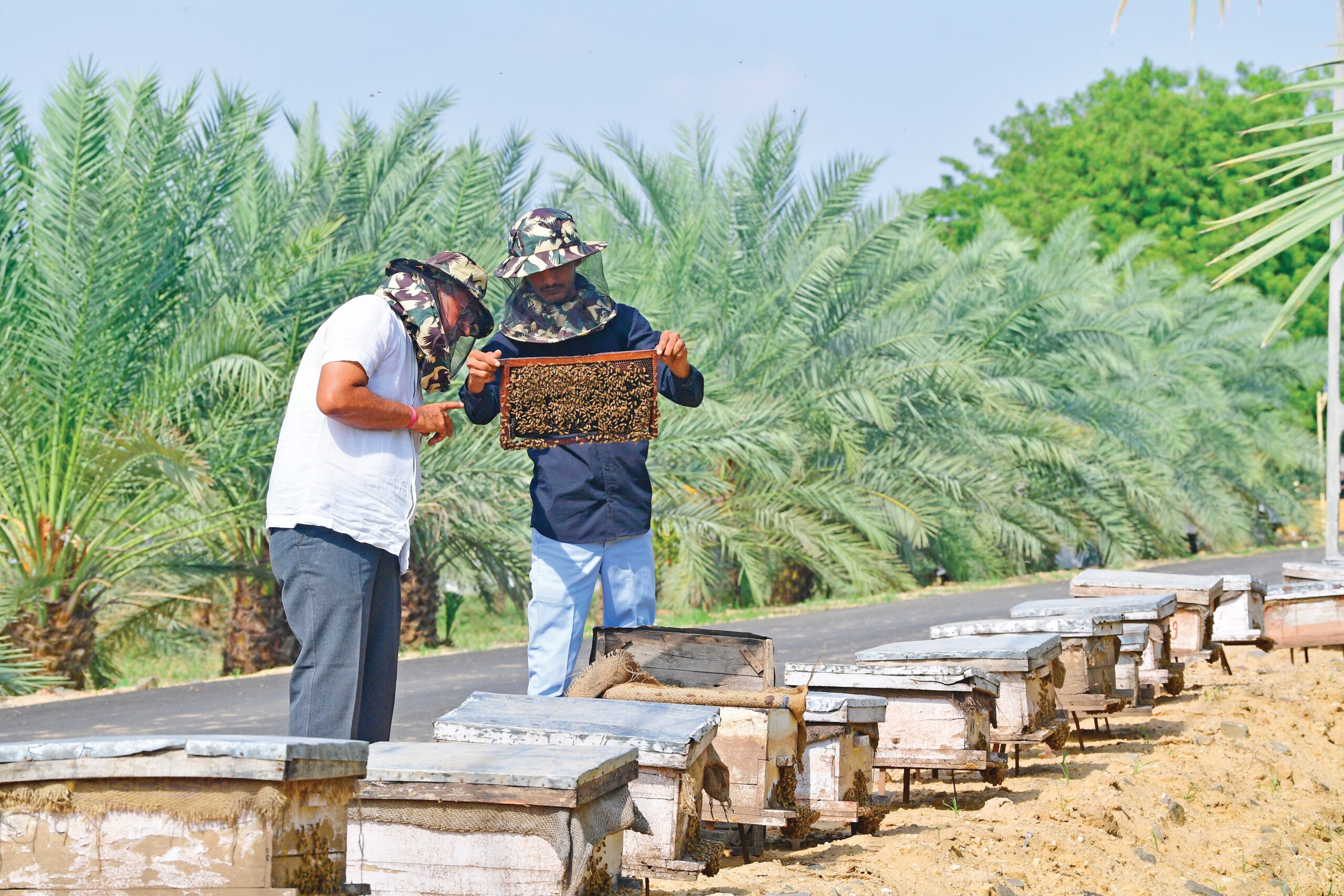
- 26 Beekeepers’ FPOs
All 100 Fodder Plus FPOs have been registered in 19 states. These Fodder Plus FPOs have initiated business activities such as green fodder production and sale, silage making and sale, securing dry fodder and sale, trading of silage, dry fodder and fodder seed sale, Sale of feed and feed supplement, Sale of Silage bags, Sale of culture, Sale of Slips, other allied activities etc.
They are also undertaking seed distribution among the farmers for green fodder production, training and handholding of dairy farmers for production of green fodder silage.

26 Beekeepers’ FPOs have been registered in 11 states of the country. These FPOs have initiated business transactions in terms of selling honey collected from members by providing suitable market linkages such as through dairy cooperative brands or launching a new brand altogether.
Some of the established and popular dairy cooperatives have started selling honey under their respective brand names such as Aanchal by Uttarakhand Dairy Cooperative Federation, Vashudhara by Valsad Milk Union, Purabi by West Assam Milk Union, Sundarini Naturals by Sundarbans, Sagar by Mehasana Milk Union, AMUL NutriBee by Kaira Milk Union.
NDDB is organizing various training and capacity building programmes for these FPOs to grow into sustainable entities, such as Board Orientation Programme at Anand, Training of CEOs, Training of key officials of CBBOs, Training of farmers etc.
NDDB is working closely through dairy cooperatives, Producer Owned Institutions and other agencies to achieve the goal of a “Sweet Revolution”.